

Checklist for Traveling with Urinary Incontinence

Written by Declan Davey on Thu Aug 07 2025.
Traveling with urinary incontinence can be a source of stress, but it doesn't have to be. With some smart planning, you can manage leaks and urges, making your trip more comfortable and enjoyable.
We’ve all been in that familiar situation: you're on the road or in the air, but there’s no bathroom in sight. The all-too-familiar panic sets in. “Not again,” you think, “I can only hold on for a minute max.” If this sounds familiar, you know it's a nightmare situation you never want to be in again.
So, what can you do to make traveling with urinary incontinence easier? This guide will walk you through practical tips and a helpful checklist to ensure you're prepared.
Here’s a preview of what we’ll discuss:
Planning your trip
Packing smart
During your travels
Planning your trip
Map your route and find toilets along the way
Being in an unfamiliar location and needing to find a bathroom can go from a mild inconvenience to an emergency situation in an instant. As Dr. Pastuszak, assistant professor of Urology at Baylor, notes, "An overactive bladder can cause discomfort any day, but it can become unbearable when traveling. A little planning and preparation can make all the difference."
By public transport: Research which stations, stops, and terminals have public bathrooms before you go.
By car: Map out rest stops and places where you can exit busy highways for a bathroom break.
While Google Maps can help, dedicated toilet-finding apps can be a lifesaver. Popular options include Flush, SitOrSquat, and Bathroom Scout. Just remember to double-check that the app covers your travel destination.
Train your bladder for longer journeys
A healthy adult bladder can hold up to 16 ounces of urine. But what if your bladder isn't quite that strong? The good news is that bladder training can help. Committing to a training regimen in the weeks leading up to your trip can make a significant difference. Even extending the time between bathroom visits by just 5 or 10 minutes could be the key to avoiding an accident.
Here’s how to get started:
Keep a diary: For 3 to 7 days, track when you urinate, how much you drink, and the amount of urine you produce.
Review your data: Look at your journal to see how long you can comfortably hold your urine. If you're urinating more frequently than every two hours, you can likely train your bladder to hold on for longer.
Create a schedule: After your first bathroom visit of the day, try to schedule your next trips every 2 to 3 hours. Don't worry if you can't make it that long at first—just aim to space out your visits a little more each time.
Fully empty your bladder: Take your time in the bathroom to ensure you've emptied your bladder completely. Rushing can leave residual urine, which can lead to leaks later.
Avoid “just in case” trips: Going to the bathroom when you don’t actually have the urge can train your bladder to signal a need to go when it isn't full.
Do pelvic floor exercises: Strengthening your pelvic floor muscles with Kegel exercises can help you hold urine for longer.
Practice distraction: If you feel an urge to go, take a few deep breaths and try to distract yourself. Aim to wait 5 minutes before using the bathroom, and gradually work your way up to 10 or 20 minutes.
Learn how to ask for the toilet in a foreign language
Knowing a few key phrases in the local language is not only polite but also incredibly practical. It could save you precious time and prevent a desperate search for facilities.
Here’s how to say “Where is the toilet?” in some common languages:
Spanish: ¿Dónde están los aseos?
French: Où sont les toilettes?
Italian: Dov’è la toilette?
German: Wo ist die Toilette?
Japanese: Benjo wa doko desu ka?
Packing for urinary incontinence
Pack smart with all the essentials
Leaving packing to the last minute is a common mistake, but if you have urinary incontinence, having the right supplies is crucial.
Bring enough spares: Pack plenty of extra underwear, pants, and any other essentials you might need.
Create a "rescue kit": Travel with a small, discreet bag containing extra supplies, such as pads or guards, and a change of clothes.
Bring plastic bags: A bundle of plastic bags or bin liners is a smart addition for securing and disposing of any wet clothing or used products.
Choose the right travel incontinence products
Whether you have light, moderate, or heavy urinary incontinence, there are travel products designed to provide peace of mind and protection.
Products for light to moderate leaks
These products are ideal for minor leaks caused by laughing, sneezing, or straining.
For women: Products like TENA ProSkin Day Regular Absorbent Pads, Light Absorbency and TENA Sensitive Care Incontinence Pads for Women, Moderate Absorbency offer discreet, comfortable protection with advanced odor control.
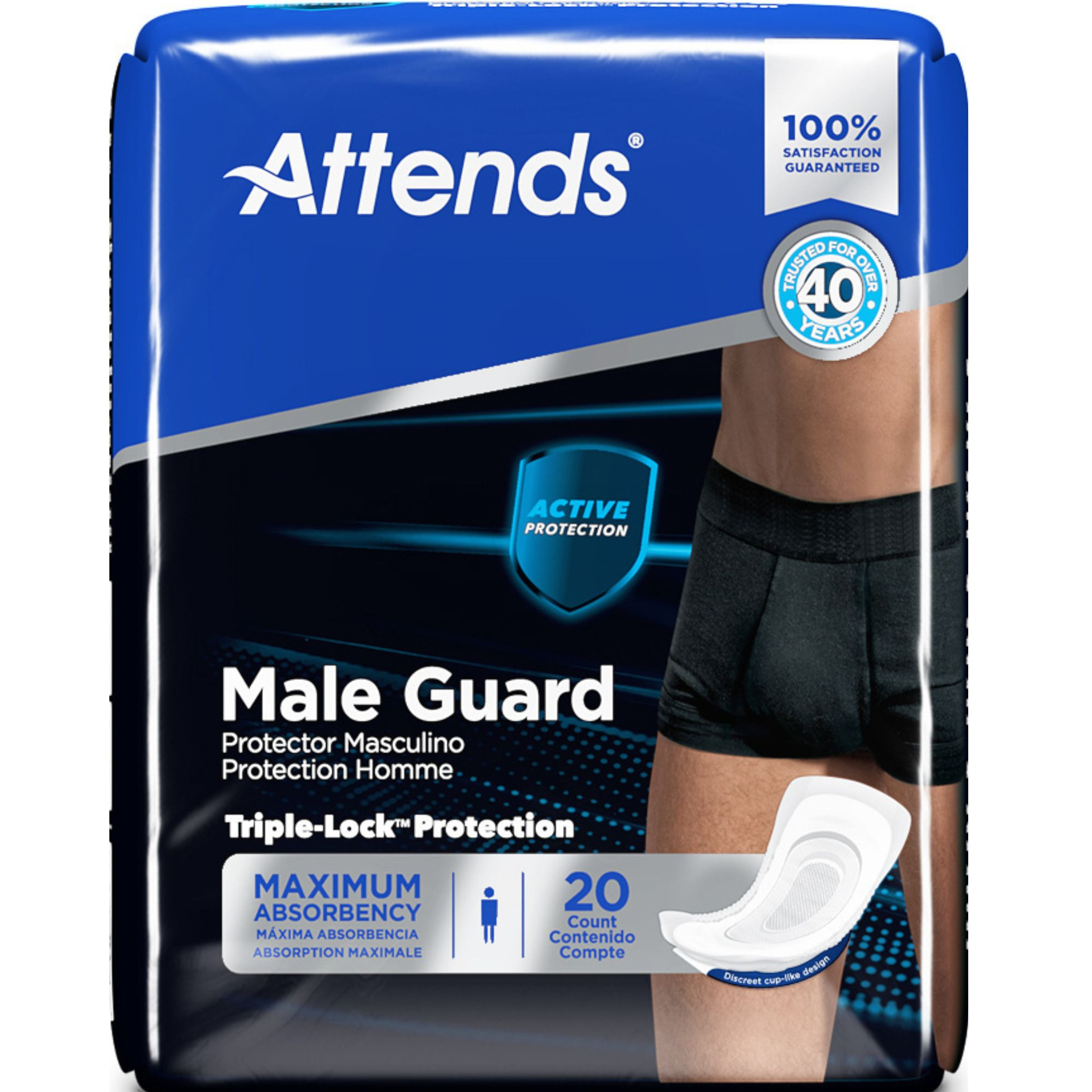
For men: Attends Incontinence Male Guards and Prevail Daily Incontinence Male Guards are designed for the male anatomy, providing a discreet, secure fit within your regular underwear.


Products for moderate to heavy leaks
If you require heavier absorbency, consider the following options.
Protective underwear: Prevail Adult Incontinence Pull-Up Underwear for Men & Women, Maximum Absorbency offers the look and feel of regular underwear while providing maximum absorbency and odor protection.
Overnight briefs with tabs: Products like Tranquility Premium ATN Overnight Protection Disposable Briefs with Tabs are perfect for getting a full night's rest, with up to 8 hours of protection.
Underpads: Keep hotel or guest room bedding clean and dry with disposable underpads like Attends Supersorb Maximum Incontinence Underpads. They can be placed on beds, chairs, or wheelchairs to protect surfaces.
Portable urinals: Consider a male or female urinal, such as the McKesson Female Urinal or McKesson Male Urinal, for long car journeys or situations where a bathroom isn't easily accessible.
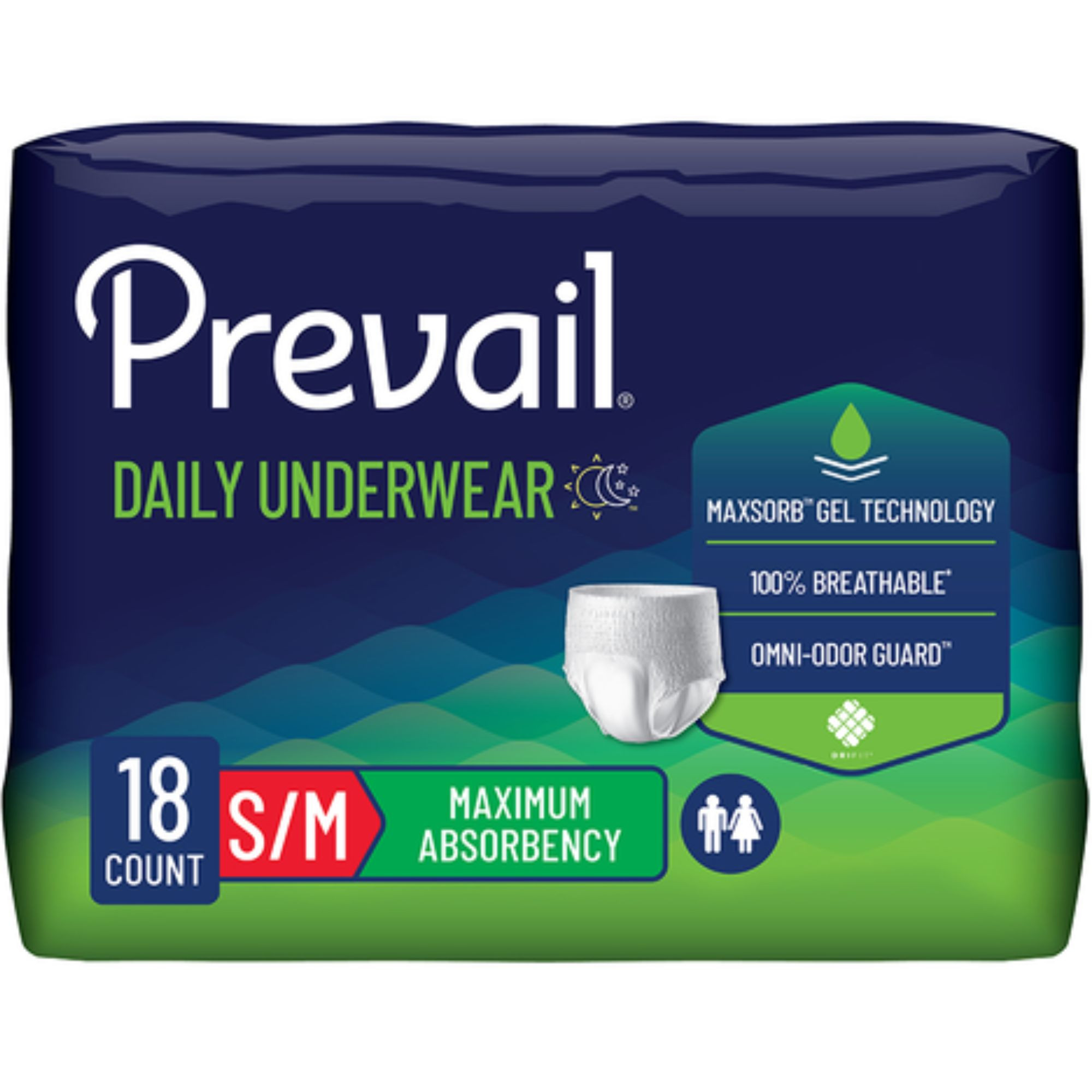
Prevail Adult Incontinence Pull-Up Underwear for Men & Women, Maximum Absorbency
Price: $15.49 - $49.99


Traveling with urinary incontinence
Review the seating plan
Choosing the right seat can make a world of difference.
Aisle seats are often the best choice, as they allow for quick and easy access to the aisle.
On planes, trains, and buses, aim for a seat close to the restrooms—usually at the front or back of the vehicle.
Avoid potential bladder irritants
Some of the most popular travel drinks are actually diuretics, which increase urine production.
Alcohol, coffee, and soft drinks containing caffeine should be limited.
Stick to water and non-caffeinated drinks to reduce the frequency of bathroom stops.
Traveling with an incontinent person
If you’re traveling with a loved one who has incontinence, a little preparation and support can go a long way.
Be reassuring: Remind your travel partner that you don't judge them for their incontinence.
Remember medication: Ensure they have and take any prescribed overactive bladder medications on time.
Pack extra supplies: Always have a small kit with extra toilet paper and hand sanitizer.
Be a helpful distraction: If they feel the urge to go but there’s no bathroom nearby, try to distract them with a conversation or a game.
Happy travels! We wish you a safe and stress-free journey, no matter your mode of transportation.
Want a hand deciding which protective products to buy ahead of your trip? Give us a call at (800) 696-CARE or send us an email at support@carewell.com. Don’t forget to download and print our checklist for traveling with urinary incontinence to make sure you've covered all the bases.
Other Articles You May Like
What is a Booster Pad?
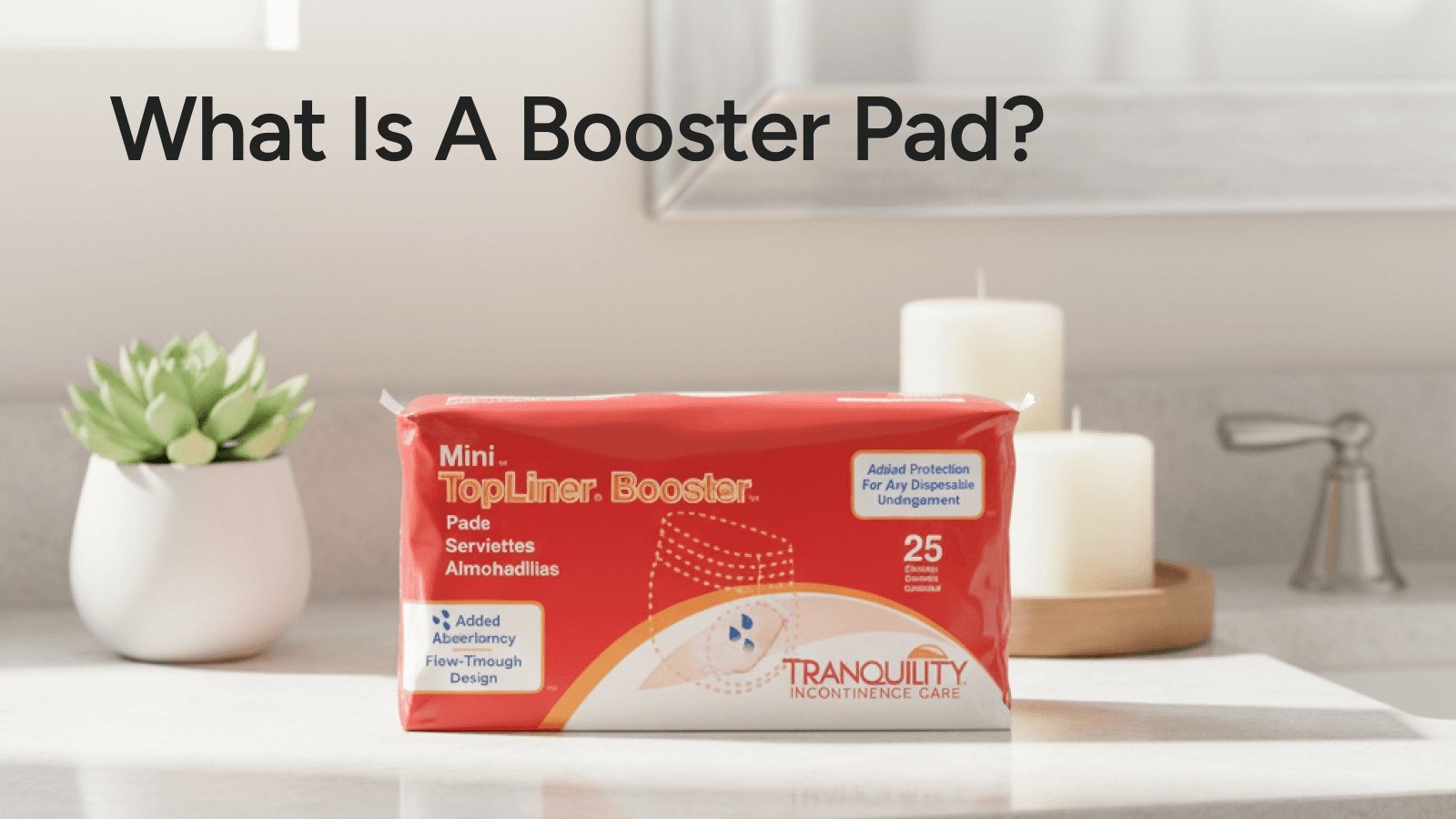
Booster pads are often called diaper doublers or topliner pads, and they're an essential tool for managing incontinence. If you wear pull-ups or adult diapers, you've likely experienced the frustration of leaks or the need for frequent changes. Booster pads are designed to solve that problem by providing an extra layer of absorbency and protection.
Read More>
Traveling With Mobility Issues. Top Tips
Many people take being able to travel for granted — whether it’s to a new country or just to get out of the house. But if you’re managing a mobility issue, it can be tricky to navigate, even with the support of a caregiver.
Read More>Declan Davey
Declan Davey is a health and wellness copywriter from London, UK. His background includes roles as a psychological therapist for Islington Memory Service, where he worked with family caregivers, and as a rehab assistant at Camden Neurology & Stroke Service.